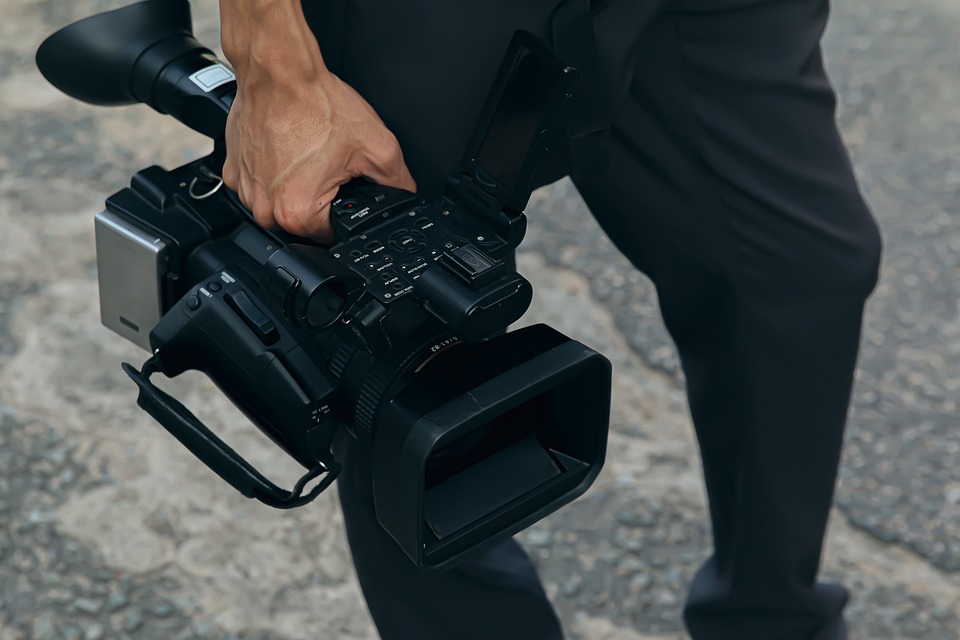
Stock footage has become a valuable resource for video production, allowing filmmakers to incorporate stunning visuals and engaging clips into their work. But, sourcing quality footage can be costly, especially for independent filmmakers or those on a tight budget. Here are some tips on how to use stock footage in your video production without breaking the bank.
1. Know Your Needs
Before diving into the world of stock footage, it’s essential to have a clear understanding of the type of footage you require for your project. This includes the style, theme, and resolution of your clips. Knowing your needs will help narrow your search and avoid overspending on footage that you may not even use.
2. Use Free Stock Footage
Many stock footage websites offer free or low-cost options that can be perfect for smaller projects. For instance, sites like Pexels, Videvo, and Pixabay offer a wide variety of free footage that can be used for personal or commercial projects.
3. Check the License
When sourcing footage, always read the licensing agreement. Some stock footage may only be allowed for personal use, while others can be used for commercial endeavors with proper attribution. The last thing you want is to receive a legal notice of infringement, potentially costing you more than what you would have paid for the footage.
4. Explore Bundled Packages
Stock footage sites often offer bundles of footage at a discounted rate. These packages can be perfect for filmmakers who require multiple clips or several shots from the same category. Bundles can also be useful if you’re working on a series of videos, such as a web series or marketing campaign.
5. Use Self-Shot Footage
Self-shot footage can be a valuable addition to your stock footage collection. By capturing your own footage, you have full control over the style and quality of your shots. Additionally, using your footage can personalize your project, adding a unique touch that stands apart from other stock footage.
6. Edit Your Clips
When using stock footage, don’t be afraid to edit and customize your clips. By doing so, you’ll breathe new life into your footage, transforming it into something more unique and specific to your project. Simple edits like changing the color or adding a filter can make a significant difference in the final product.
7. Consider Hiring a Video Editor
If all else fails, consider hiring a professional video editor. They can take your stock footage and transform it into something truly special, providing you with a polished final product that’s bound to impress. Working with a video editor may be a more significant cost, but it’s still an option for those who have a slightly larger budget.
In conclusion, using stock footage can be an excellent way to elevate your video production without overspending. By following these tips, you can find affordable yet high-quality footage to incorporate into your project. Whether you decide to use free footage, bundled packages, or self-shot footage, don’t forget to keep your needs in mind and check the licensing agreement before downloading any clips. Happy filmmaking!