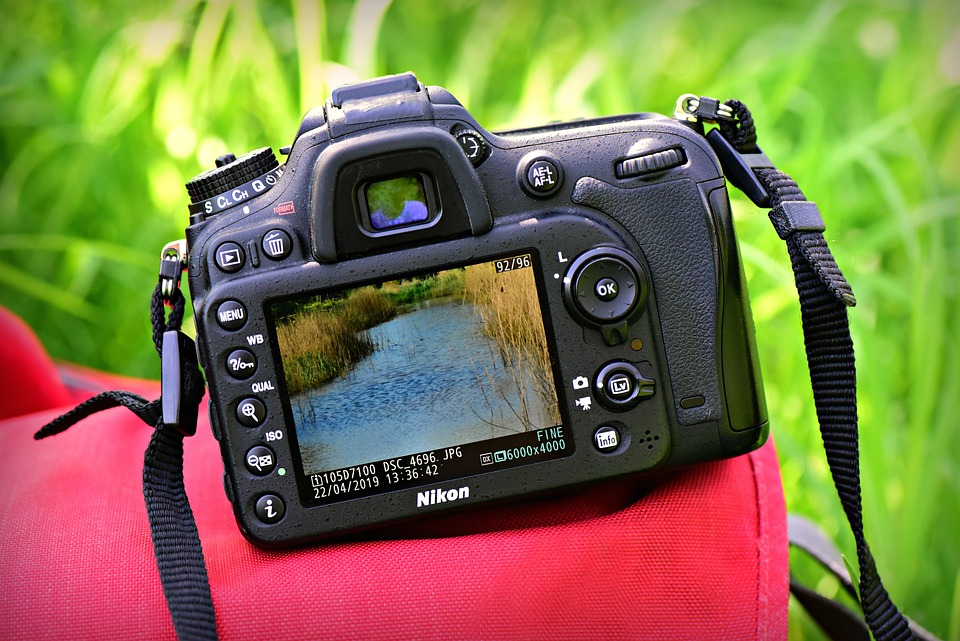
DSLR cameras are more than just devices for taking photos – they can also be an incredible tool for creating beautiful videos. With their high-quality sensors, interchangeable lenses, and manual controls, DSLRs can deliver stunning footage that rivals professional-grade equipment. If you’re interested in capturing video with your DSLR, here are some tips to help you get started.
1. Choose the right lens
One of the biggest advantages of DSLRs is their ability to interchange lenses, which can make all the difference in creating the right look for your video. A wide-angle lens can give a cinematic look to your footage, while a telephoto can create a more intimate, zoomed-in feel. When selecting a lens for video, aperture is also an important consideration. A lens with a wide maximum aperture (low f-stop number) will allow you to achieve a shallow depth of field, which can create a cinematic look and draw attention to your subject.
2. Set your camera to manual mode
While shooting in automatic mode can be convenient, manually controlling your camera settings will allow you to achieve greater control over your footage. Set your camera to manual mode and experiment with different combinations of shutter speed, ISO, and aperture to find the settings that work best for your shot. Remember to also set your camera to shoot in a video format that’s appropriate for your project.
3. Use a tripod
Shaky footage can be distracting and take away from the story you’re trying to tell. Using a tripod or stabilizer can help keep your footage stable and smooth. Attach your camera to a tripod and practice panning and tilting to get the smoothest movements possible.
4. Pay attention to lighting
Lighting is just as crucial for video as it is for photography. Make sure your subject is well-lit, and use complementary lights to add depth and dimension to your footage. If shooting outdoors, consider the time of day and how the sun’s position will affect your lighting. If shooting indoors, try to use natural light as much as possible, or use reflective surfaces, such as white foam boards, to bounce light onto your subject.
5. Think about composition
Composition is an essential aspect of filmmaking, and it starts with the basic rule of thirds. Divide your frame into thirds and place your subject on one of the intersections for a visually appealing shot. Also, consider the framing and angle of your shot – be creative and try shooting from different perspectives to add interest and variety to your footage.
6. Record quality audio
While a DSLR can capture stunning video, it may not be able to capture high-quality audio. Invest in an external microphone to ensure crystal clear audio in your footage. A lapel or shotgun mic can help capture dialogue, while a boom mic can be used to capture sound from a wider area.
7. Edit your footage
Once you’ve captured your footage, it’s time to edit it into a cohesive story. Use editing software to cut, trim, and piece together your footage and adjust colors and lighting as needed. You can also add music, sound effects, and titles to create a polished final product.
In conclusion, creating stunning video with a DSLR camera requires patience, skill, and practice. By choosing the right lens, setting your camera to manual mode, using a tripod, paying attention to lighting and composition, recording quality audio, and editing your footage, you can produce stunning videos that rival professional-grade equipment. So, grab your DSLR camera and start exploring the world of video – the possibilities are endless!